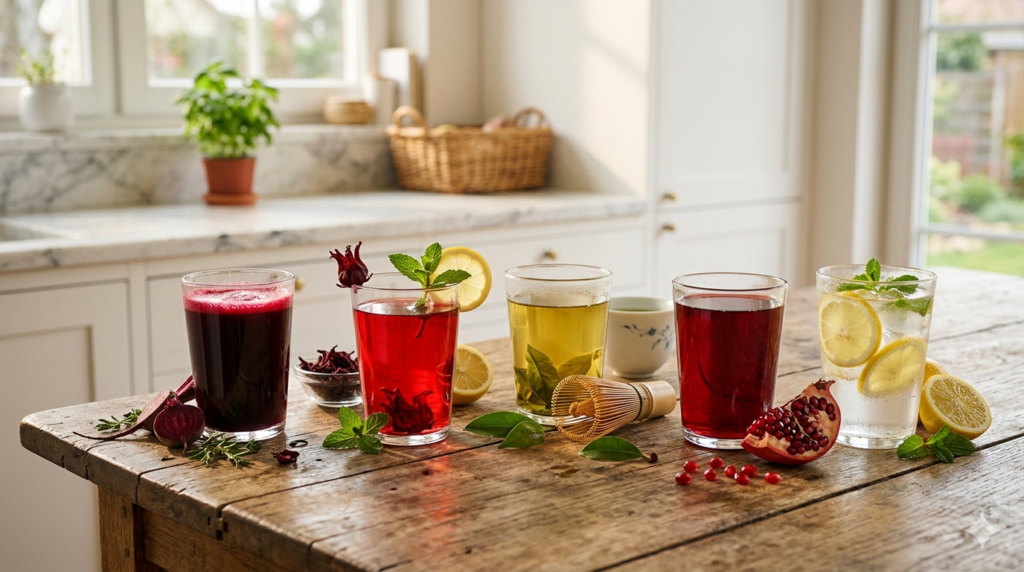
Drinks That May Lower Blood Pressure Naturally (Heart Health Guide)
High blood pressure, also known as hypertension, is one of the most common health concerns worldwide, especially in the United States. Many people don’t even realize they have it because it often shows no clear symptoms. Over time, uncontrolled blood pressure can increase the risk of heart disease, stroke, and other serious health issues.
Along with medical advice and lifestyle changes, diet plays a major role in maintaining healthy blood pressure levels. One simple and natural way to support heart health is by including certain beverages in your daily routine.
In this article, you will learn drinks that may lower blood pressure naturally and support overall cardiovascular wellness.
Understanding Blood Pressure and Lifestyle Impact
Blood pressure is the force of blood pushing against the walls of your arteries. When it stays consistently high, it puts extra strain on your heart and blood vessels.
Several lifestyle factors can affect blood pressure:
- High salt intake
- Stress
- Lack of physical activity
- Poor diet
- Excess alcohol consumption
- Obesity
Improving daily habits, including what you drink, can help support healthy blood pressure levels over time.
1. Beetroot Juice
Beetroot juice is one of the most well-known drinks that may lower blood pressure naturally.
Why it helps:
Beets are rich in nitrates, which the body converts into nitric oxide. This helps relax blood vessels and improve blood flow.
Benefits:
- Supports healthy circulation
- May help relax blood vessels
- Improves oxygen flow in the body
How to use:
Drink a small glass of fresh beetroot juice a few times per week.
2. Hibiscus Tea
Hibiscus tea is a popular herbal drink known for its potential heart health benefits.
Why it helps:
It contains antioxidants that may help support healthy blood pressure levels.
Benefits:
- Rich in antioxidants
- Supports heart health
- May help reduce stress levels
How to use:
Drink 1–2 cups daily without added sugar.
3. Green Tea
Green tea is widely consumed in the United States and is linked with multiple health benefits.
Why it helps:
It contains natural plant compounds called catechins that support blood vessel health.
Benefits:
- Supports metabolism
- May improve heart health
- Rich in antioxidants
Best time to drink:
Morning or early afternoon.
4. Pomegranate Juice
Pomegranate juice is packed with nutrients and antioxidants that support cardiovascular health.
Why it helps:
It may help reduce oxidative stress and improve blood flow.
Benefits:
- Supports healthy arteries
- Rich in vitamins and antioxidants
- May support heart function
Important tip:
Choose 100% natural juice without added sugar.
5. Lemon Water
Lemon water is a simple yet effective daily drink for overall wellness.
Why it helps:
It supports hydration, which is important for maintaining healthy blood pressure.
Benefits:
- Improves hydration
- Supports digestion
- Rich in vitamin C
How to use:
Drink warm lemon water in the morning on an empty stomach.
Lifestyle Tips to Support Healthy Blood Pressure
Drinks alone are not enough. Combine them with healthy habits:
1. Reduce Salt Intake
Too much sodium can raise blood pressure.
2. Exercise Regularly
Walking, yoga, and light workouts help improve circulation.
3. Manage Stress
Stress management techniques like deep breathing can help.
4. Maintain Healthy Weight
Even small weight loss can improve blood pressure levels.
Common Mistakes to Avoid
- Drinking sugary beverages thinking they are healthy
- Overusing packaged juices
- Ignoring lifestyle changes
- Relying only on natural remedies
Balance is very important for heart health.
Final Thoughts
Including drinks that may lower blood pressure naturally in your daily routine can be a simple and supportive step toward better heart health. Beverages like beetroot juice, hibiscus tea, green tea, pomegranate juice, and lemon water may help improve circulation and overall wellness.
However, these drinks work best when combined with a healthy lifestyle, balanced diet, regular exercise, and proper medical guidance.
Small daily changes can lead to long-term heart health benefits.