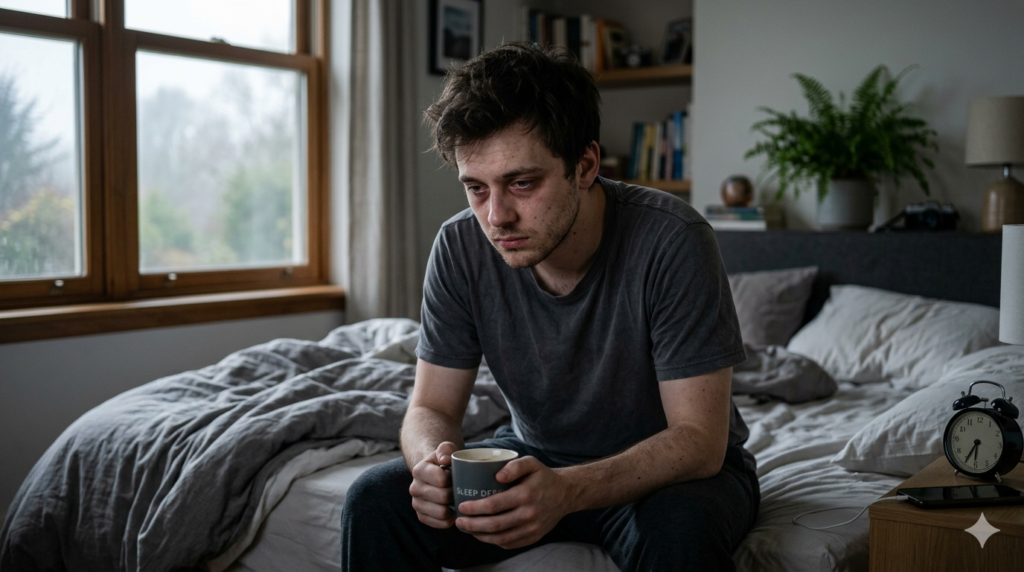
10 Warning Signs Your Body Needs More Sleep
Sleep is one of the most important parts of overall health, yet millions of Americans don’t get enough quality rest each night. Busy schedules, stress, screen time, and unhealthy habits often lead to chronic sleep deprivation without people even realizing it.
Many individuals assume feeling tired is normal, but your body usually gives warning signs when it desperately needs more sleep. Ignoring these signs may affect your energy, focus, mood, metabolism, and long-term wellness.
If you constantly feel exhausted, struggle to focus, or notice unusual changes in your body and emotions, poor sleep may be the hidden reason.
In this guide, you’ll discover the most common warning signs of sleep deprivation and practical ways to improve your sleep naturally.
Why Sleep Is So Important
Sleep helps your body recover physically and mentally. During sleep, your brain processes information, repairs cells, balances hormones, and restores energy levels.
Adults generally need around 7–9 hours of quality sleep per night for optimal health. However, many people consistently sleep far less than recommended.
Poor sleep may contribute to:
- Weight gain
- Low energy
- Stress and anxiety
- Poor concentration
- Weak immune system
- Increased cravings
- Mood changes
Over time, chronic sleep deprivation can negatively impact both physical and mental health.
1. You Feel Tired Even After Sleeping
One of the biggest warning signs your body needs more sleep is waking up tired despite spending enough time in bed.
This may happen when:
- Sleep quality is poor
- You wake up frequently at night
- Stress interrupts deep sleep
- Your bedtime schedule is inconsistent
Many people think they are getting enough sleep, but their body never reaches restorative deep sleep stages.
If you regularly wake up exhausted, your body may be asking for better quality rest.
2. You Crave Sugary Foods Constantly
Lack of sleep can affect hormones that control hunger and appetite.
When you don’t sleep enough:
- Cravings for sugar and junk food often increase
- Appetite hormones become unbalanced
- Energy dips lead to emotional eating
This is one reason poor sleep is commonly linked with weight gain and belly fat.
Many people notice stronger cravings for:
- Candy
- Soda
- Fast food
- Energy drinks
- Processed snacks
Improving sleep may help reduce unnecessary cravings naturally.
3. You Have Trouble Focusing
Brain fog and poor concentration are common symptoms of sleep deprivation.
Sleep plays a major role in:
- Memory
- Decision-making
- Learning
- Mental clarity
Without enough rest, even simple daily tasks may feel difficult.
You might notice:
- Forgetfulness
- Difficulty paying attention
- Slower thinking
- Reduced productivity
Students and office workers especially feel the effects of poor sleep on concentration and performance.
4. Your Mood Changes Frequently
Sleep and emotional health are closely connected.
People who don’t get enough sleep may become:
- Irritable
- Easily frustrated
- More anxious
- Emotionally sensitive
Even minor problems may feel overwhelming after several nights of poor sleep.
Research often links sleep deprivation with increased stress levels and mood instability.
Getting proper rest may improve emotional balance and mental wellness.
5. You Depend On Caffeine To Function
Coffee can temporarily boost alertness, but constantly needing caffeine throughout the day may signal that your body lacks proper rest.
Common signs include:
- Multiple cups of coffee daily
- Energy crashes
- Afternoon exhaustion
- Dependence on energy drinks
While moderate caffeine intake is generally acceptable, relying heavily on stimulants may mask chronic fatigue.
6. You Get Sick More Often
Sleep supports immune system function.
During sleep, your body produces important immune responses that help fight illness and infection.
Poor sleep may weaken your immune system and make you more vulnerable to:
- Colds
- Flu
- Infections
- Seasonal illness
People who consistently sleep less than recommended may recover more slowly when sick.
7. You Struggle To Stay Awake During The Day
Feeling sleepy during meetings, classes, driving, or watching TV is often a major sign of sleep deficiency.
Excessive daytime sleepiness can:
- Reduce productivity
- Increase accident risk
- Affect daily performance
Microsleep episodes — short moments where the brain briefly falls asleep — may happen when the body becomes severely exhausted.
This can become dangerous while driving or operating machinery.
8. Your Skin Looks Dull Or Tired
Sleep is important for skin recovery and repair.
Poor sleep may contribute to:
- Dark circles
- Puffy eyes
- Dry skin
- Dull complexion
This is one reason quality sleep is often called “beauty sleep.”
When the body doesn’t rest properly, stress hormones may rise and affect skin appearance over time.
9. You Feel Stressed Or Overwhelmed Easily
Sleep deprivation may increase cortisol levels, the body’s primary stress hormone.
As a result, people often feel:
- Mentally drained
- Overwhelmed
- Less patient
- More emotionally reactive
Chronic stress and poor sleep can create a harmful cycle:
Stress causes poor sleep, and poor sleep increases stress.
Improving your bedtime routine may help break this cycle.
10. Your Workouts Feel Harder Than Normal
If your workouts suddenly feel exhausting, sleep may be the missing factor.
Sleep helps:
- Muscle recovery
- Energy production
- Physical performance
Without enough rest, the body struggles to recover properly after exercise.
You may notice:
- Low motivation
- Reduced endurance
- Muscle soreness
- Slower recovery
Athletes and fitness experts often prioritize sleep because recovery is essential for performance.
How To Improve Sleep Naturally
If you notice several of these warning signs, small lifestyle changes may help improve your sleep quality.
Create A Consistent Sleep Schedule
Try to:
- Sleep at the same time daily
- Wake up consistently
- Avoid major schedule changes on weekends
Consistency helps regulate your body clock.
Reduce Screen Time Before Bed
Phones, tablets, and TVs emit blue light that may interfere with melatonin production.
Try limiting screen exposure 1 hour before sleep.
Avoid Heavy Meals Late At Night
Large meals before bed may affect digestion and sleep quality.
Choose lighter evening meals whenever possible.
Limit Caffeine In The Evening
Caffeine may stay in the body for several hours.
Avoid coffee or energy drinks late in the day if you struggle with sleep.
Keep Your Bedroom Cool And Dark
A comfortable sleep environment may help improve sleep quality naturally.
Consider:
- Blackout curtains
- Cooler room temperature
- Reduced noise
Exercise Regularly
Physical activity may help improve sleep patterns and reduce stress.
Even simple daily walking can make a difference.
Final Thoughts
Sleep is not a luxury — it’s essential for overall health, energy, mood, and mental performance.
Your body often sends clear warning signs when it needs more rest. Ignoring these symptoms may eventually affect your physical and emotional well-being.
If you frequently feel exhausted, struggle to focus, crave unhealthy foods, or depend heavily on caffeine, your body may be asking for better sleep habits.
Small improvements in your nightly routine can lead to major long-term benefits for your health, productivity, and quality of life.
Prioritizing sleep today may help you feel healthier, happier, and more energized tomorrow.
FAQs
What are the most common signs of sleep deprivation?
Common signs include fatigue, brain fog, mood changes, sugar cravings, poor focus, and daytime sleepiness.
How many hours of sleep do adults need?
Most adults need around 7–9 hours of quality sleep per night.
Can poor sleep cause weight gain?
Poor sleep may affect hunger hormones, cravings, metabolism, and energy levels, which can contribute to weight gain.
Does caffeine replace sleep?
No. Caffeine may temporarily increase alertness, but it cannot replace proper restorative sleep.